
Briefly:
-
Affordable THCA flower can still meet quality standards when it carries a third-party lab-tested Certificate of Analysis (COA).
-
Look at THCA percentage, terpene content, and trim quality together rather than price alone.
-
Proper storage and verified testing matter more for consistency than tier labels like “lows” or “mids.”
Shoppers searching for budget-friendly hemp flower often assume a lower price means lower quality, but that is not always true. The real markers of quality are lab verification, trim consistency, and freshness, not the price tag by itself.
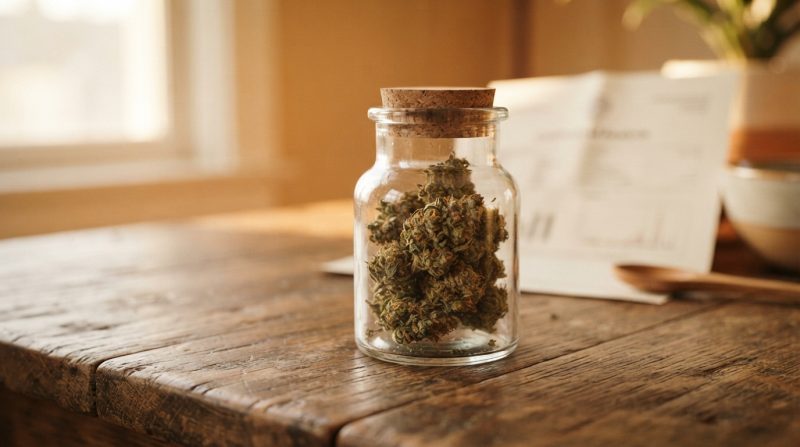
Many retailers organize budget THCA flower into tiers based on bud size, trim consistency, and visual appeal rather than cannabinoid content alone. Smaller buds or slightly less uniform trim can lower the price without necessarily lowering the THCA percentage or terpene profile. Understanding this distinction helps buyers avoid overpaying for appearance while still getting a product that performs the way they expect. Explore Luminate’s select botanical offerings and discover thoughtfully curated, nature-inspired selections designed to bring quality and balance to everyday life.
What Makes THCA Flower “Budget” Without Sacrificing Quality
Pricing tiers in hemp flower usually reflect cosmetic and handling differences, not necessarily potency gaps.
-
Bud size and trim: Smaller or slightly broken buds often cost less because they take more labor to package uniformly, not because they contain less THCA.
-
Batch availability: Flower from larger harvests sometimes carries a lower per-gram price simply due to supply.
-
Packaging format: Bulk sizes, such as larger ounce or pound quantities, typically reduce cost per gram compared to small jars.
A flower testing at a lower price point can still carry a strong cannabinoid profile. According to one industry potency guide, a flower labeled 25% THCA yields roughly 21.9% THC after decarboxylation, which shows that the raw percentage on a COA is what determines strength, not the shelf tier name.
Reading a Certificate of Analysis Before You Buy
A COA is the single most reliable tool for comparing budget options against pricier ones.
- Check the THCA percentage against the Delta-9 THC level to confirm federal compliance under the current hemp framework.
- Look for a Total THC calculation, which estimates post-decarboxylation potency using the THCA value.
- Scan for contaminant testing, including pesticides, heavy metals, and microbials, which confirms the batch passed a clean screening.
- Match the batch number on the jar to the COA to confirm the document applies to that specific product, not a different harvest.
The USDA’s hemp regulatory framework sets the federal baseline that compliant hemp-derived flower must meet, including the Delta-9 THC threshold that every COA should confirm. Buyers who skip this step risk purchasing flower with inconsistent potency or unverified safety data, regardless of price.
Comparing Budget Tiers at a Glance
|
Factor |
Budget/Lows Tier |
Mid Tier |
Premium Tier |
|---|---|---|---|
|
Bud appearance |
Smaller, less uniform |
Medium size, decent trim |
Large, dense, visually frosted |
|
Typical use case |
Everyday sessions, bulk buying |
Balanced value and quality |
Gifting, special occasions |
|
Price per gram |
Lowest |
Moderate |
Highest |
|
COA verification needed |
Yes, always |
Yes, always |
Yes, always |
Price tier should influence budget planning, not whether a buyer checks lab documentation. Every tier requires the same verification process to confirm quality.
Storage Habits That Protect Value in Budget Flower
Even well-tested flower loses quality fast without proper storage.
-
Keep flower in an airtight, opaque container away from direct light, since light exposure breaks down terpenes.
-
Store jars in a cool, dark space rather than a humid bathroom cabinet or a hot car.
-
Avoid refrigeration for flower, since condensation can introduce moisture problems.
-
Check for a strong aroma and springy texture as simple at-home freshness indicators.
Following these habits helps budget flower hold its potency and aroma for a longer stretch, making the lower price point an even better value over time.
Frequently Asked Questions
Does cheaper THCA flower mean lower potency? Not necessarily. Price differences often come from bud size, trim style, or packaging rather than the THCA percentage itself, so checking the COA remains the most accurate way to judge strength.
What should I check first on a lab report? Start with the THCA percentage and Delta-9 THC level, then confirm the batch number matches the product and that a contaminant panel was included.
How long does budget THCA flower stay fresh? With airtight, dark, cool storage, flower generally holds most of its potency and aroma for several months, though quality depends on how it was cured and packaged.
Is “lows” the same as low quality? No. The term typically refers to bud size or trim consistency, not a reduction in lab-tested cannabinoid content.
A Final Note on Shopping Smart
Comparing affordable hemp flower comes down to verifying lab data, understanding what price tiers actually represent, and storing the product correctly once it arrives. Luminate’s website lists hand-trimmed, lab-tested flower across multiple price tiers, giving buyers a reference point for how budget and premium options differ on paper versus in practice. For readers ready to compare options directly, it is worth taking time to Explore Luminate and review current lab results before making a purchase decision.